

Schedule Consultation | (678)-888-3223

Revitalize Your Look: How to Combat Sagging Face After Weight Loss

Revitalize Your Look: How to Combat Sagging Face After Weight Loss

Weight Loss

Revitalize Your Look: How to Combat Sagging Face After Weight Loss

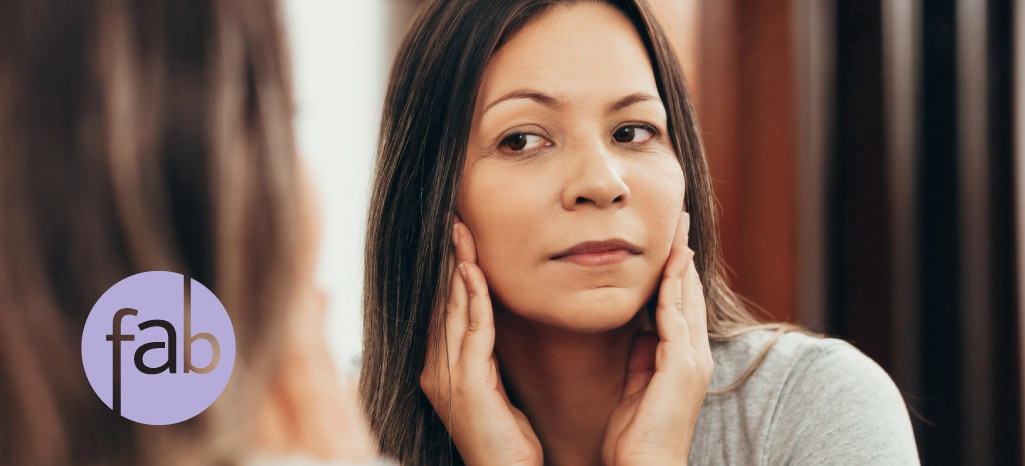
A sagging face after weight loss is a common concern. It occurs when skin loses elasticity and does not fully adjust to the body’s new contours. It’s most effectively rectified with targeted clinical treatments.

The Kaiser Family Foundation (KFF) reports that 1 in 8 U.S. adults have used prescription weight-loss drugs, equating to 12%. GLP-1s can be beneficial for slimming down quickly, but this rapid weight loss can also cause sagging skin.

The skin around your face is especially prone to sagging. Facial rejuvenation techniques are ideal for tightening loose skin and helping improve facial elasticity.

What Causes a Sagging Face After Weight Loss?

According to Healthline, losing between 15% and 20% of one’s total body weight can cause facial drooping. This condition is commonly referred to as “Ozempic face.”

A sagging face after weight loss happens when the skin cannot keep up with the body’s changing shape. Rapid or significant weight loss can leave the skin without enough time to contract.

Larger amounts of weight lost increase the likelihood of visible sagging. Tightening loose skin becomes more difficult the more rapidly the weight is lost.

Does Age Influence How Well Skin Bounces Back After Weight Loss?

Age also plays a major role in how well skin recovers after weight loss. Younger skin has more collagen and elastin, key proteins that help it snap back quickly.

As we age, these proteins decrease and make sagging more likely. Rapid weight loss can worsen the effect at any age.

Genetics also influences elasticity and recovery. Older adults may notice slower tightening and more pronounced sagging.

While age cannot be changed, facial rejuvenation techniques like radiofrequency microneedling can help improve skin firmness and reduce sagging.

How Can You Prevent Facial Sagging?

Preventing facial sagging starts with managing how you lose weight. Gradual weight loss gives the skin time to adapt to your changing face.

The CDC and WebMD recommend aiming for a more gradual weight loss of 1 to 2 pounds per week. Maintaining a steady pace helps preserve facial structure.

Maintaining a healthy weight supports your facial structure. Performing strength-building exercises for facial muscles enhances tone and firmness.

For more severe cases of sagging due to rapid weight loss, professional skin treatments may be necessary to improve facial elasticity.

Which Facial Rejuvenation Techniques Are the Most Effective?

Choosing the most effective facial rejuvenation techniques is essential for restoring firmness and refreshing your appearance. Targeted facial exercises strengthen muscles for subtle lifting.

Laser treatments and radiofrequency tighten skin by stimulating collagen. Dermal fillers add volume and smooth out wrinkles.

Microneedling and chemical peels improve texture and encourage regeneration. These treatments provide visible improvement in overall facial tone and appearance.

Selecting the right technique requires evaluating your skin condition and age. A professional assessment provides personalized guidance to maximize results.

Are There Non-Surgical Facelift Options with Long-Term Results?

Non-surgical facelift options are ideal for those seeking natural-looking, minimally invasive facial rejuvenation. They provide lasting results for those seeking subtle lifting without invasive facial surgery.

Treatments such as ultrasound or radiofrequency stimulate collagen. Over time, these procedures can gradually improve firmness to correct a sagging face after weight loss.

A strategic use of injectables can reshape contours and maintain volume for 6 to 18 months. Results often last longer with regular maintenance sessions.

Consulting a qualified provider ensures a tailored plan that balances longevity and safety.

What Post-Weight Loss Skin Care Habits Help Maintain Facial Health?

Maintaining proper facial health after weight loss starts with consistent skin care. Gentle cleansing removes impurities without stripping natural oils.

Regular exfoliation encourages cell turnover and smooth texture. Daily moisturizing keeps skin hydrated and supports elasticity. Staying hydrated and eating a nutrient-rich diet further supports skin resilience.

Using sunscreen protects against harmful skin-damaging UV rays. Incorporating antioxidant-rich products can fight free radicals and promote collagen.

Healthy lifestyle habits help maintain the skin’s firmness and tone. Doing so promotes a youthful-looking face after weight loss.

Frequently Asked Questions

Do Facial Exercises Really Work for Tightening Skin After Weight Loss?

Yes. Facial exercises target the muscles beneath the skin to improve tone and support. Regular practice strengthens these muscles and gives the face a subtly lifted appearance.

Exercises cannot remove excess skin, but they can enhance definition and firmness. Results appear gradually over weeks or months, so consistency is key.

Facial exercises are non-invasive and easy to do at home. They carry minimal risk and help gently firm and tone the face after weight loss.

Maintaining muscle engagement preserves firmness and promotes a youthful face.

Is a Professional Skin Tightening Treatment Worth It Compared to At-Home Remedies?

Yes. Professional skin tightening treatments deliver faster and more noticeable results than at-home remedies. Radiofrequency and ultrasound target collagen deep in the skin.

At-home products support hydration and texture but rarely lift or firm effectively. Creams and masks offer only mild improvement at the surface level.

Clinical sessions are tailored to each skin type to improve safety and results. Sessions may require some downtime but offer more predictable outcomes.

Specialist treatments deliver the most visible results for a sagging face after weight loss.

Does Hormonal Balance Affect Facial Skin Elasticity?

Yes. Hormonal balance plays an important role in facial skin elasticity. Estrogen helps maintain collagen and keeps skin firm.

Low estrogen levels during menopause can lead to thinning and sagging skin. Thyroid hormones also influence skin health, affecting moisture and texture.

Imbalances can make the skin less resilient and slower to recover after weight loss. Proper hormone levels support overall skin strength and elasticity.

Hormonal changes naturally occur with age. Seeking guidance from a healthcare provider can reveal imbalances and support healthier, firmer skin.

Explore More Facial Rejuvenation Techniques at Atlanta Face and Body in Atlanta, GA, Today

A sagging face after weight loss is a common concern that can affect confidence and appearance. Professional skin treatments can help address the problem and restore firmness. Targeted clinical treatments enhance skin elasticity and improve facial contours.

Atlanta Face and Body, located in Atlanta, GA, is an AAAHC-accredited plastic surgery center and medspa. Dr. Elizabeth Whitaker is an award-winning, double board-certified facial plastic surgeon.

She specializes in minimally invasive facelifts and rejuvenation with less downtime and faster recovery. Contact Atlanta Face and Body to schedule your private consultation with us today.


Virtual Consultations

Reward Programs

Revitalize Your Look: How to Combat Sagging Face After Weight Loss

Weight Loss

Revitalize Your Look: How to Combat Sagging Face After Weight Loss

A sagging face after weight loss is a common concern. It occurs when skin loses elasticity and does not fully adjust to the body’s new contours. It’s most effectively rectified with targeted clinical treatments.

The Kaiser Family Foundation (KFF) reports that 1 in 8 U.S. adults have used prescription weight-loss drugs, equating to 12%. GLP-1s can be beneficial for slimming down quickly, but this rapid weight loss can also cause sagging skin.

The skin around your face is especially prone to sagging. Facial rejuvenation techniques are ideal for tightening loose skin and helping improve facial elasticity.

What Causes a Sagging Face After Weight Loss?

According to Healthline, losing between 15% and 20% of one’s total body weight can cause facial drooping. This condition is commonly referred to as “Ozempic face.”

A sagging face after weight loss happens when the skin cannot keep up with the body’s changing shape. Rapid or significant weight loss can leave the skin without enough time to contract.

Larger amounts of weight lost increase the likelihood of visible sagging. Tightening loose skin becomes more difficult the more rapidly the weight is lost.

Does Age Influence How Well Skin Bounces Back After Weight Loss?

Age also plays a major role in how well skin recovers after weight loss. Younger skin has more collagen and elastin, key proteins that help it snap back quickly.

As we age, these proteins decrease and make sagging more likely. Rapid weight loss can worsen the effect at any age.

Genetics also influences elasticity and recovery. Older adults may notice slower tightening and more pronounced sagging.

While age cannot be changed, facial rejuvenation techniques like radiofrequency microneedling can help improve skin firmness and reduce sagging.

How Can You Prevent Facial Sagging?

Preventing facial sagging starts with managing how you lose weight. Gradual weight loss gives the skin time to adapt to your changing face.

The CDC and WebMD recommend aiming for a more gradual weight loss of 1 to 2 pounds per week. Maintaining a steady pace helps preserve facial structure.

Maintaining a healthy weight supports your facial structure. Performing strength-building exercises for facial muscles enhances tone and firmness.

For more severe cases of sagging due to rapid weight loss, professional skin treatments may be necessary to improve facial elasticity.

Which Facial Rejuvenation Techniques Are the Most Effective?

Choosing the most effective facial rejuvenation techniques is essential for restoring firmness and refreshing your appearance. Targeted facial exercises strengthen muscles for subtle lifting.

Laser treatments and radiofrequency tighten skin by stimulating collagen. Dermal fillers add volume and smooth out wrinkles.

Microneedling and chemical peels improve texture and encourage regeneration. These treatments provide visible improvement in overall facial tone and appearance.

Selecting the right technique requires evaluating your skin condition and age. A professional assessment provides personalized guidance to maximize results.

Are There Non-Surgical Facelift Options with Long-Term Results?

Non-surgical facelift options are ideal for those seeking natural-looking, minimally invasive facial rejuvenation. They provide lasting results for those seeking subtle lifting without invasive facial surgery.

Treatments such as ultrasound or radiofrequency stimulate collagen. Over time, these procedures can gradually improve firmness to correct a sagging face after weight loss.

A strategic use of injectables can reshape contours and maintain volume for 6 to 18 months. Results often last longer with regular maintenance sessions.

Consulting a qualified provider ensures a tailored plan that balances longevity and safety.

What Post-Weight Loss Skin Care Habits Help Maintain Facial Health?

Maintaining proper facial health after weight loss starts with consistent skin care. Gentle cleansing removes impurities without stripping natural oils.

Regular exfoliation encourages cell turnover and smooth texture. Daily moisturizing keeps skin hydrated and supports elasticity. Staying hydrated and eating a nutrient-rich diet further supports skin resilience.

Using sunscreen protects against harmful skin-damaging UV rays. Incorporating antioxidant-rich products can fight free radicals and promote collagen.

Healthy lifestyle habits help maintain the skin’s firmness and tone. Doing so promotes a youthful-looking face after weight loss.

Frequently Asked Questions

Do Facial Exercises Really Work for Tightening Skin After Weight Loss?

Yes. Facial exercises target the muscles beneath the skin to improve tone and support. Regular practice strengthens these muscles and gives the face a subtly lifted appearance.

Exercises cannot remove excess skin, but they can enhance definition and firmness. Results appear gradually over weeks or months, so consistency is key.

Facial exercises are non-invasive and easy to do at home. They carry minimal risk and help gently firm and tone the face after weight loss.

Maintaining muscle engagement preserves firmness and promotes a youthful face.

Is a Professional Skin Tightening Treatment Worth It Compared to At-Home Remedies?

Yes. Professional skin tightening treatments deliver faster and more noticeable results than at-home remedies. Radiofrequency and ultrasound target collagen deep in the skin.

At-home products support hydration and texture but rarely lift or firm effectively. Creams and masks offer only mild improvement at the surface level.

Clinical sessions are tailored to each skin type to improve safety and results. Sessions may require some downtime but offer more predictable outcomes.

Specialist treatments deliver the most visible results for a sagging face after weight loss.

Does Hormonal Balance Affect Facial Skin Elasticity?

Yes. Hormonal balance plays an important role in facial skin elasticity. Estrogen helps maintain collagen and keeps skin firm.

Low estrogen levels during menopause can lead to thinning and sagging skin. Thyroid hormones also influence skin health, affecting moisture and texture.

Imbalances can make the skin less resilient and slower to recover after weight loss. Proper hormone levels support overall skin strength and elasticity.

Hormonal changes naturally occur with age. Seeking guidance from a healthcare provider can reveal imbalances and support healthier, firmer skin.

Explore More Facial Rejuvenation Techniques at Atlanta Face and Body in Atlanta, GA, Today

A sagging face after weight loss is a common concern that can affect confidence and appearance. Professional skin treatments can help address the problem and restore firmness. Targeted clinical treatments enhance skin elasticity and improve facial contours.

Atlanta Face and Body, located in Atlanta, GA, is an AAAHC-accredited plastic surgery center and medspa. Dr. Elizabeth Whitaker is an award-winning, double board-certified facial plastic surgeon.

She specializes in minimally invasive facelifts and rejuvenation with less downtime and faster recovery. Contact Atlanta Face and Body to schedule your private consultation with us today.
Request Consultation

Virtual Consultations

Reward Programs

Virtual Consultations

Reward Programs

Request Consultation